I am a PhD student in computer science at
UCLA
, advised by Prof.
Cho-Jui Hsieh
. I received my bachelor’s degree in computational mathematics at
Peking University
in July 2021, advised by Prof.
Liwei Wang
; and my master’s degree in data science at
EPFL
in February 2024, advised by Prof.
Volkan Cevher
.
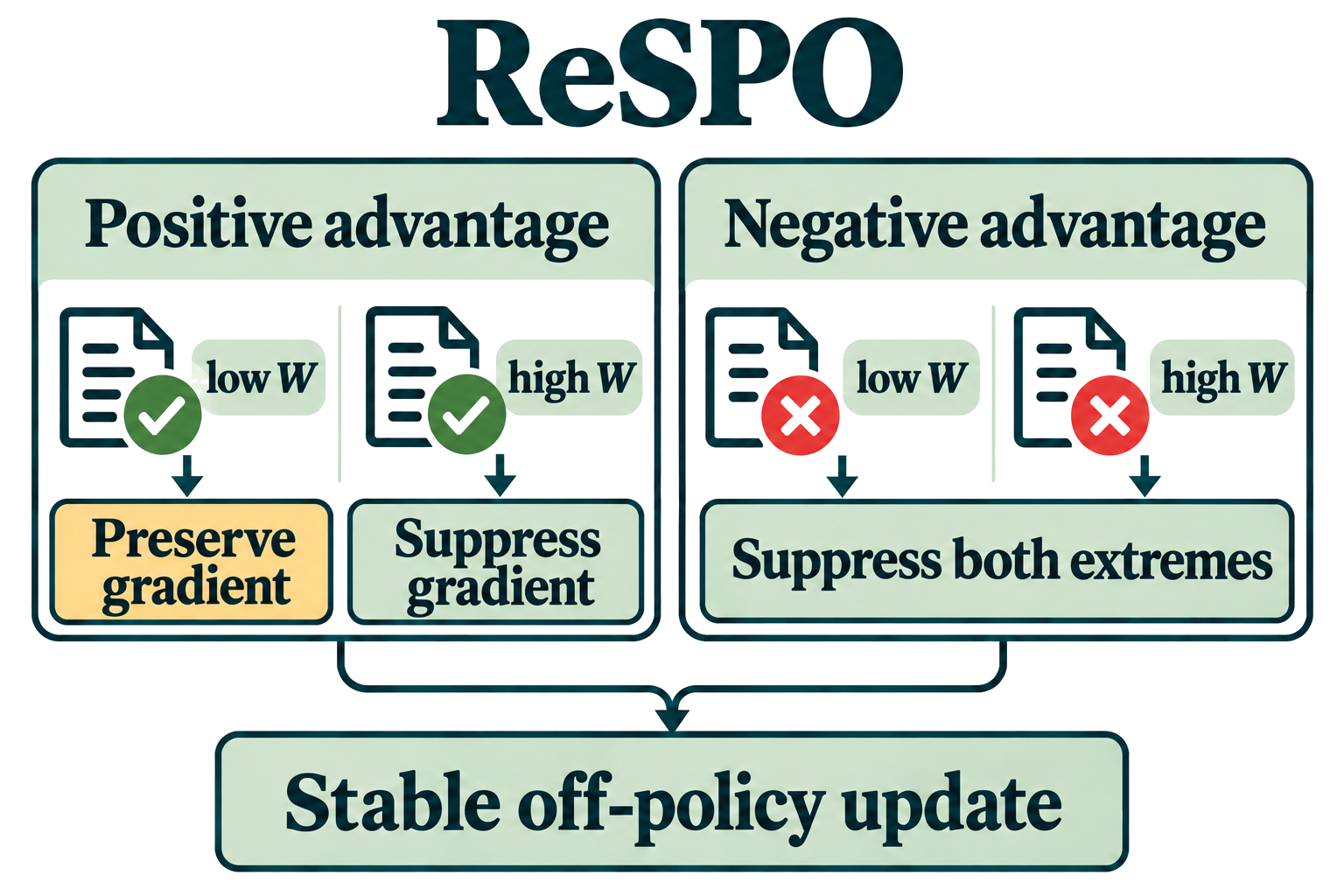
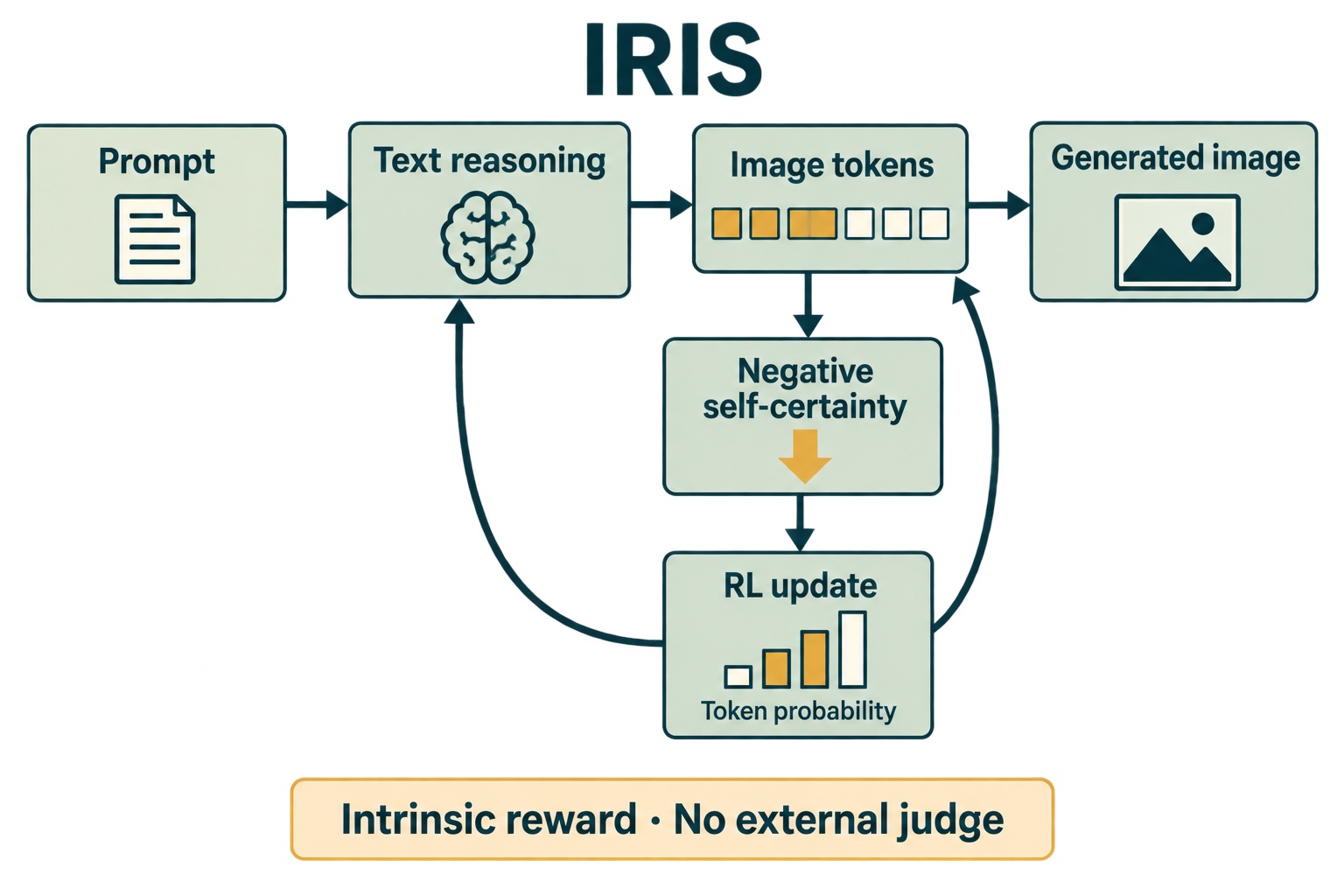
We reshape sequence-level importance weights with sign-dependent kernels that preserve gradients for under-generated correct responses while suppressing over-generated correct responses and extreme incorrect-response updates.
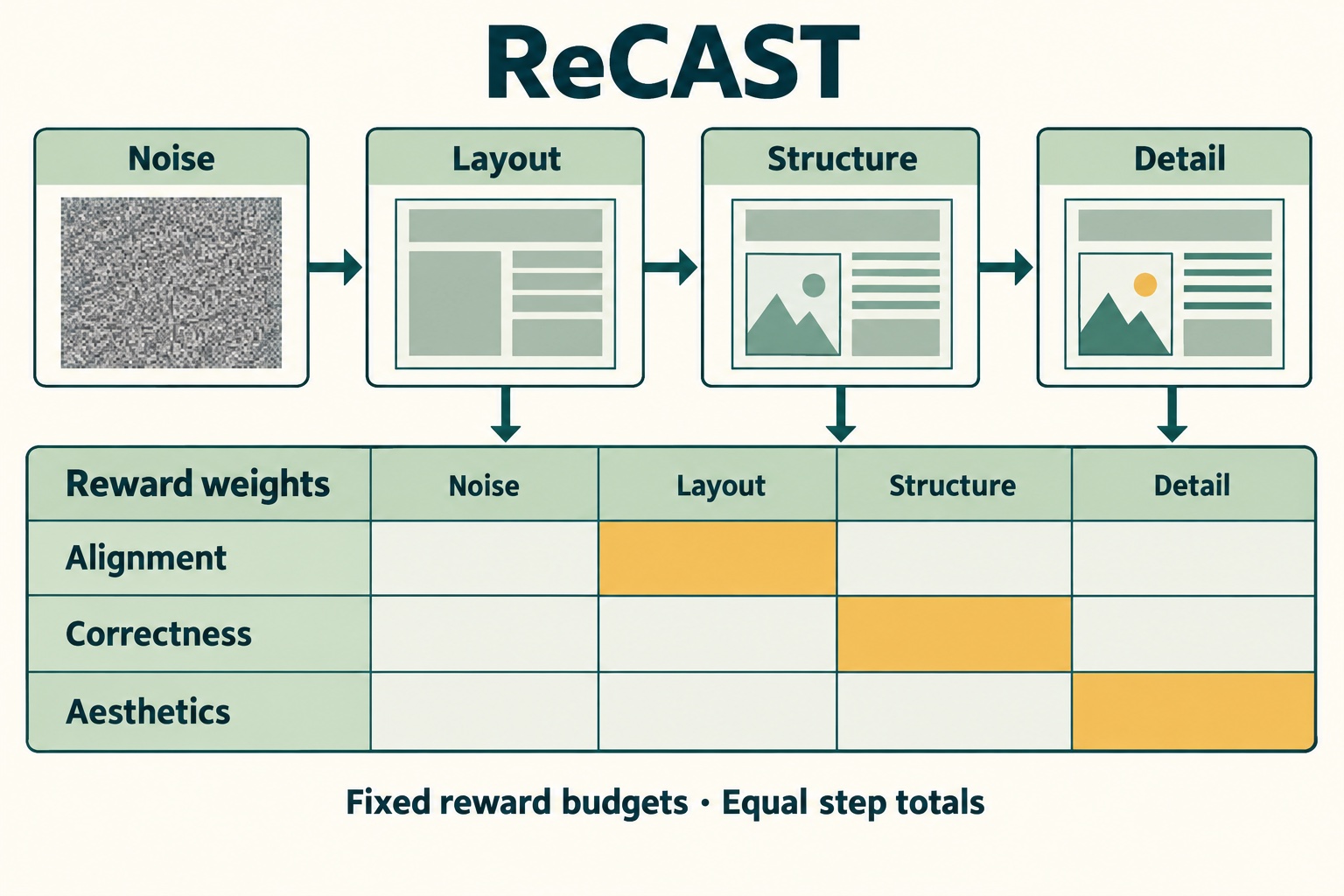
We assign each reward greater weight at the denoising timesteps where its feedback is most informative, while preserving user-specified reward budgets.
Tong Xie, Yuanhao Ban, Yunqi Hong, Sohyun An,
Yihang Chen
, Cho-Jui Hsieh
arXiv preprint: June 2026.
[arXiv]
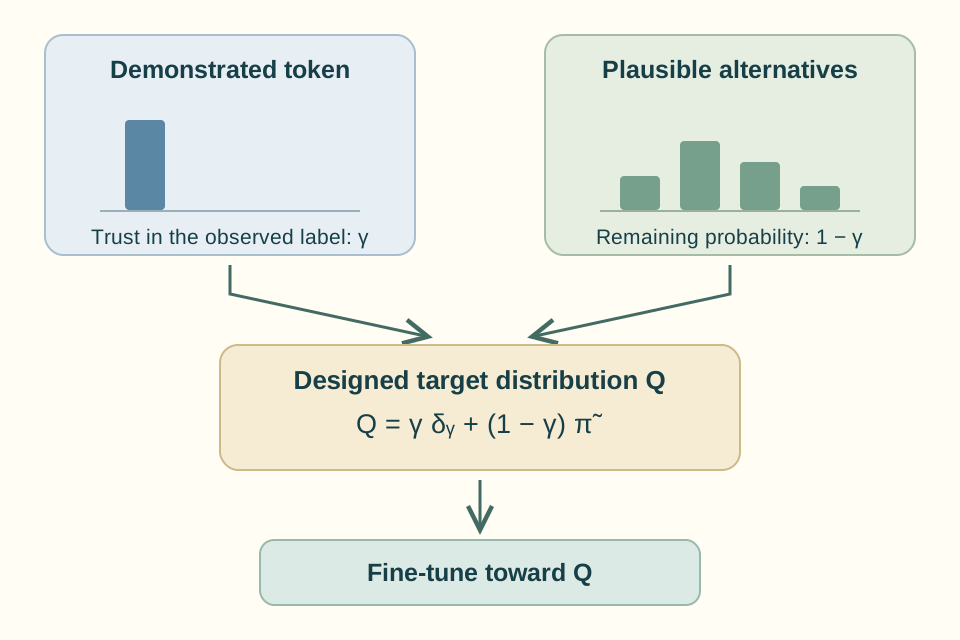
We introduce the Q-target framework, which unifies supervised fine-tuning methods through target distribution design. Target-SFT balances trust in observed tokens with probability assigned to plausible alternatives.
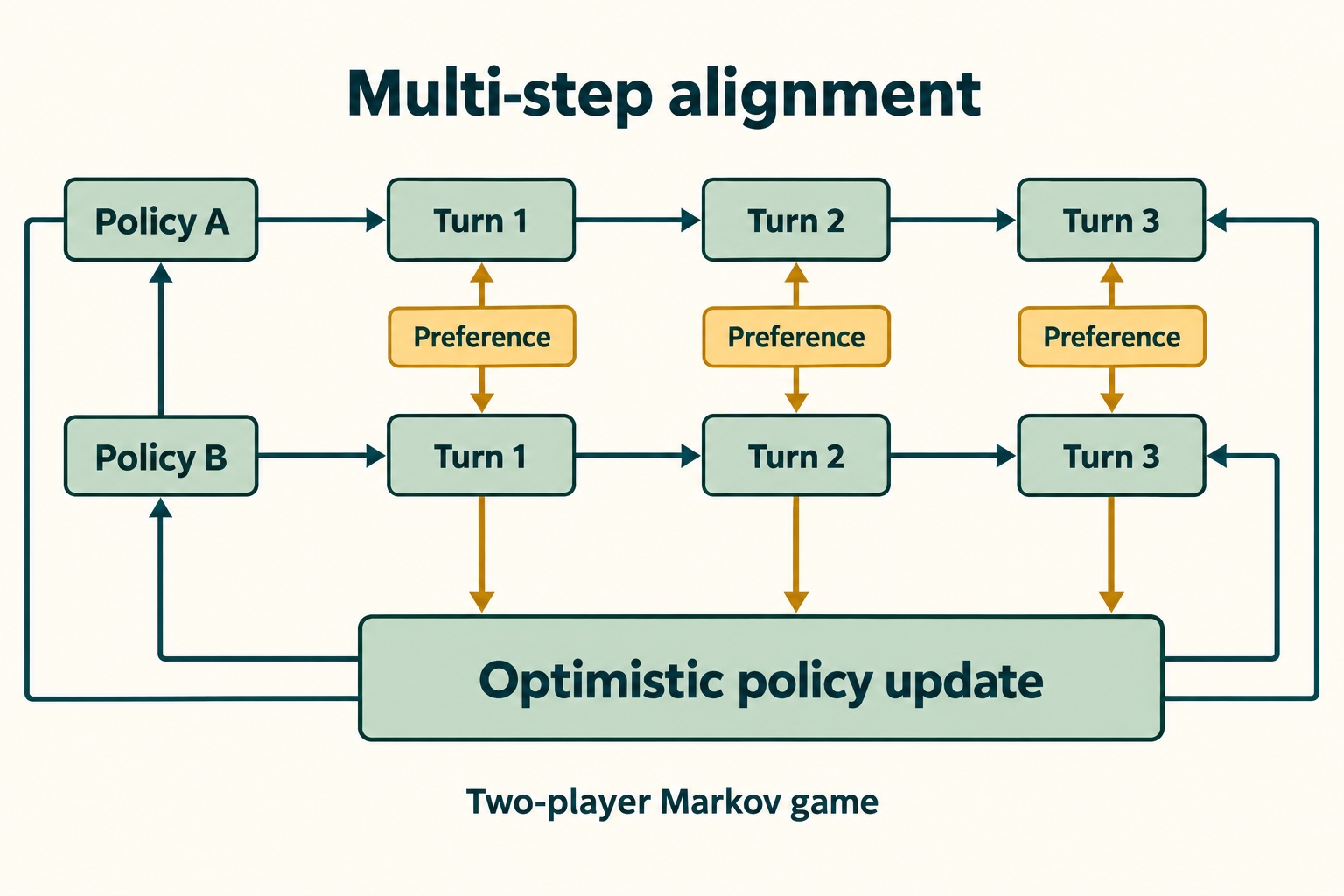
We model the multi-step preference alignment problem as a two-player constant-sum Markov game. We propose the MPO, a natural actor-critic algorithm; and the OMPO, an optimistic online gradient descent algorithm.
Zhan Li*, Yongtao Wu*,
Yihang Chen*
, Francesco Tonin, Elias Abad Rocamora, Volkan Cevher
38th Annual Conference on Neural Information Processing Systems (
NeurIPS
)
, 2024
[arXiv]
/
[code]
/
[poster]
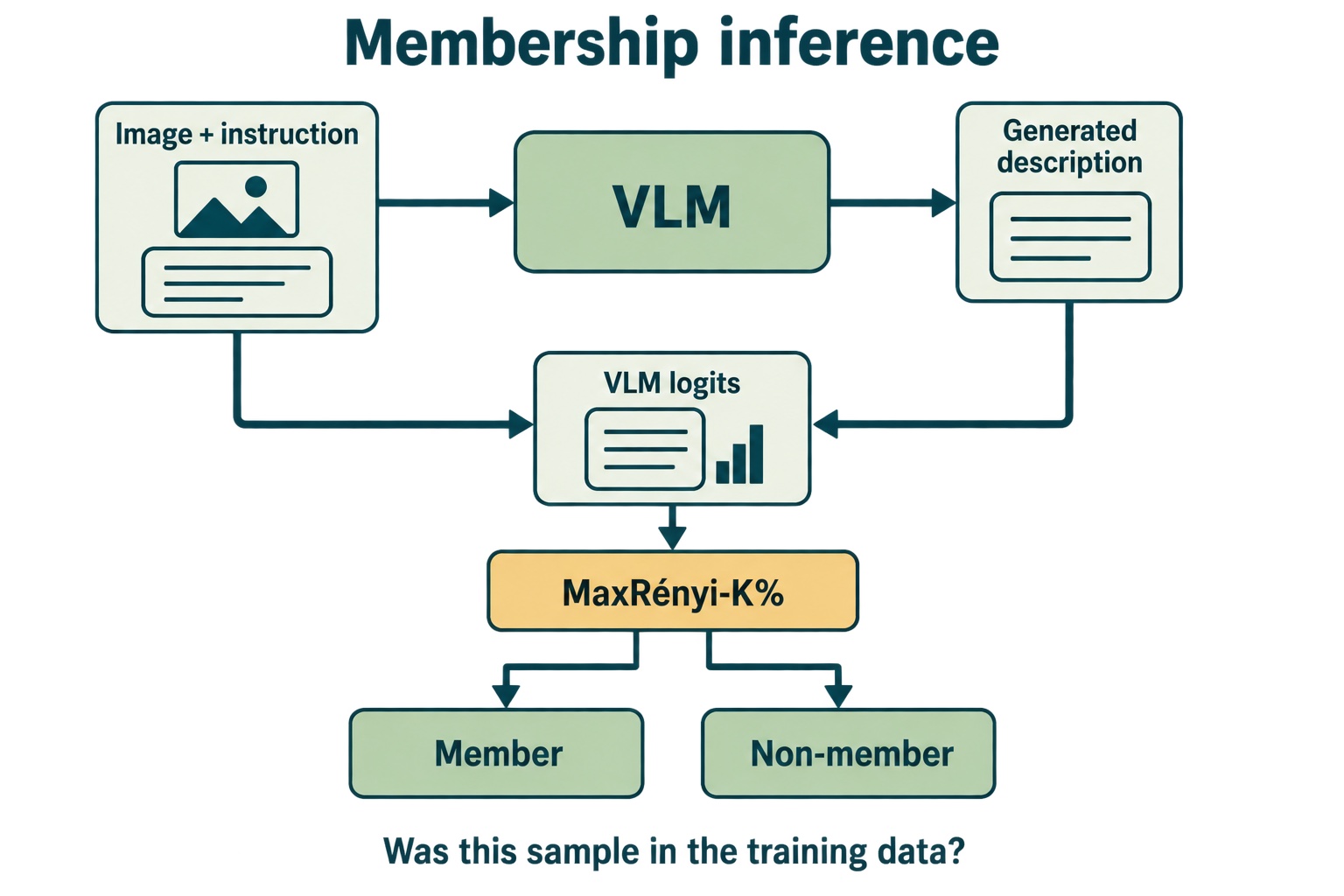
We introduce the first membership inference attack (MIA) benchmark for vision language models. We also propose the first cross-model MIA pipeline with a new MIA metric.
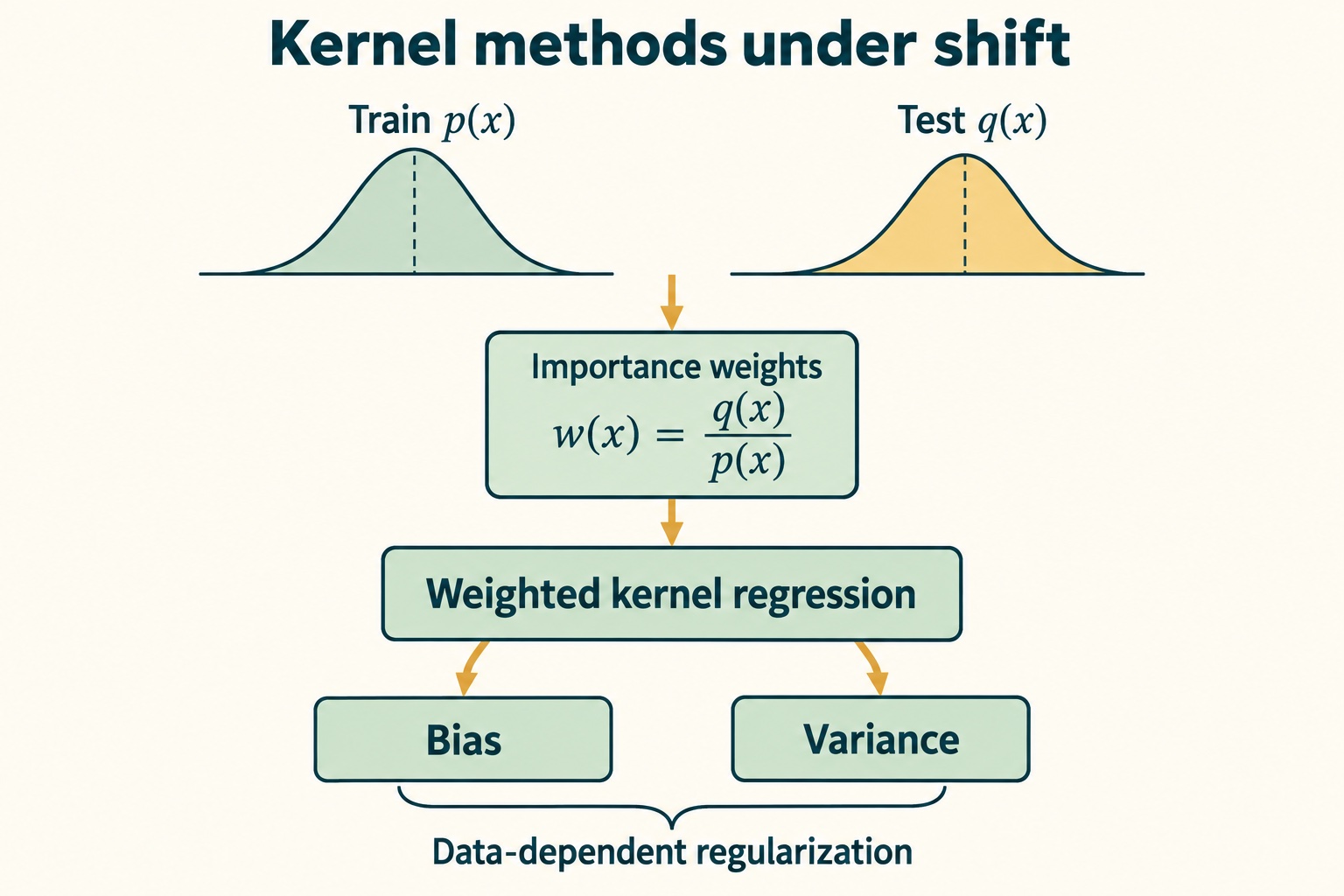
We study kernel ridge regression in high dimensions under covariate shifts and analyzes the role of importance re-weighting. We also provide asymptotic expansion of kernel functions/vectors under covariate shift.
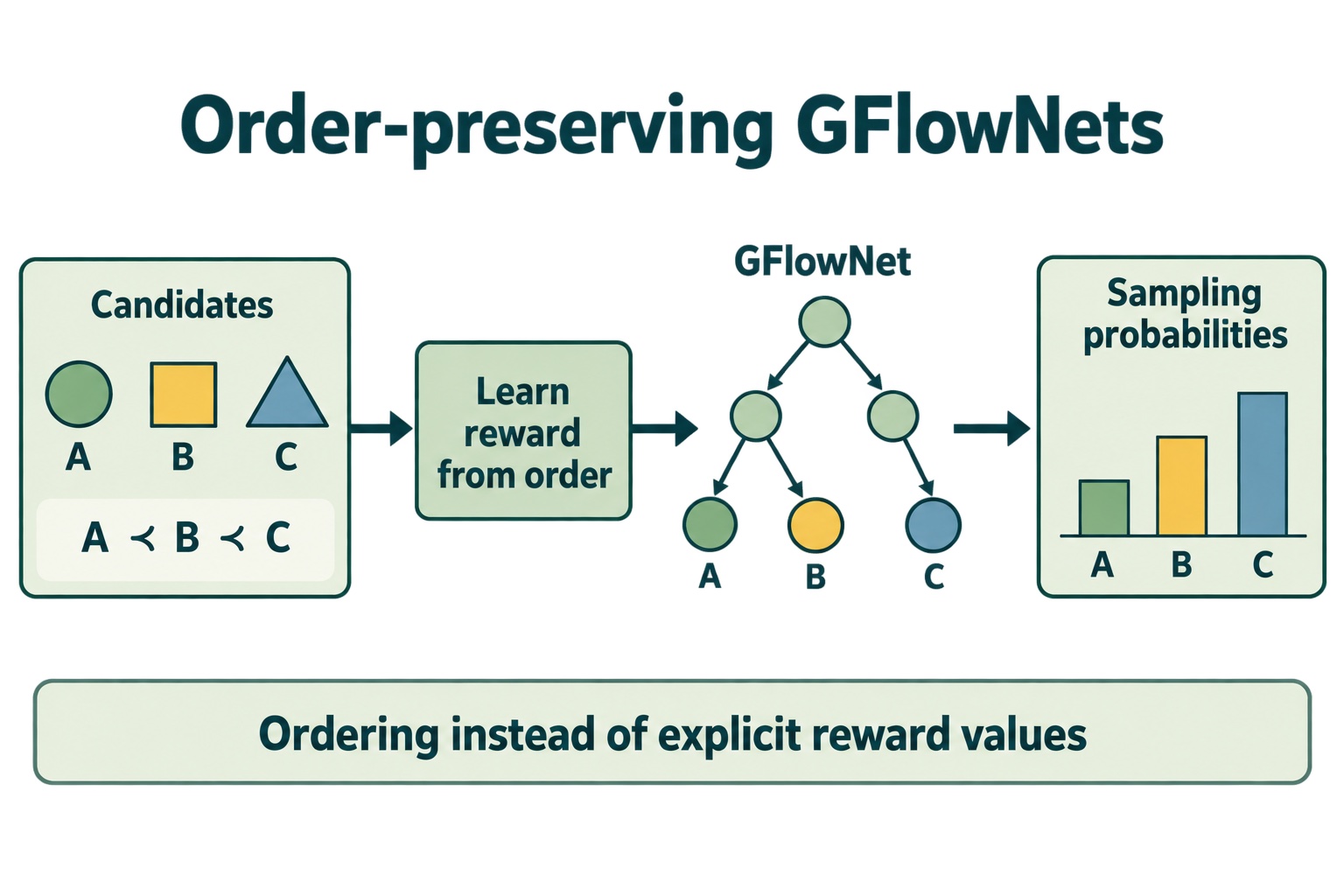
We propose Order-Preserving GFlowNets (OP-GFNs), which sample composite objects given only the (partial) order. We extend GFlowNets to preference-based optimization in single and multi-objective sampling.
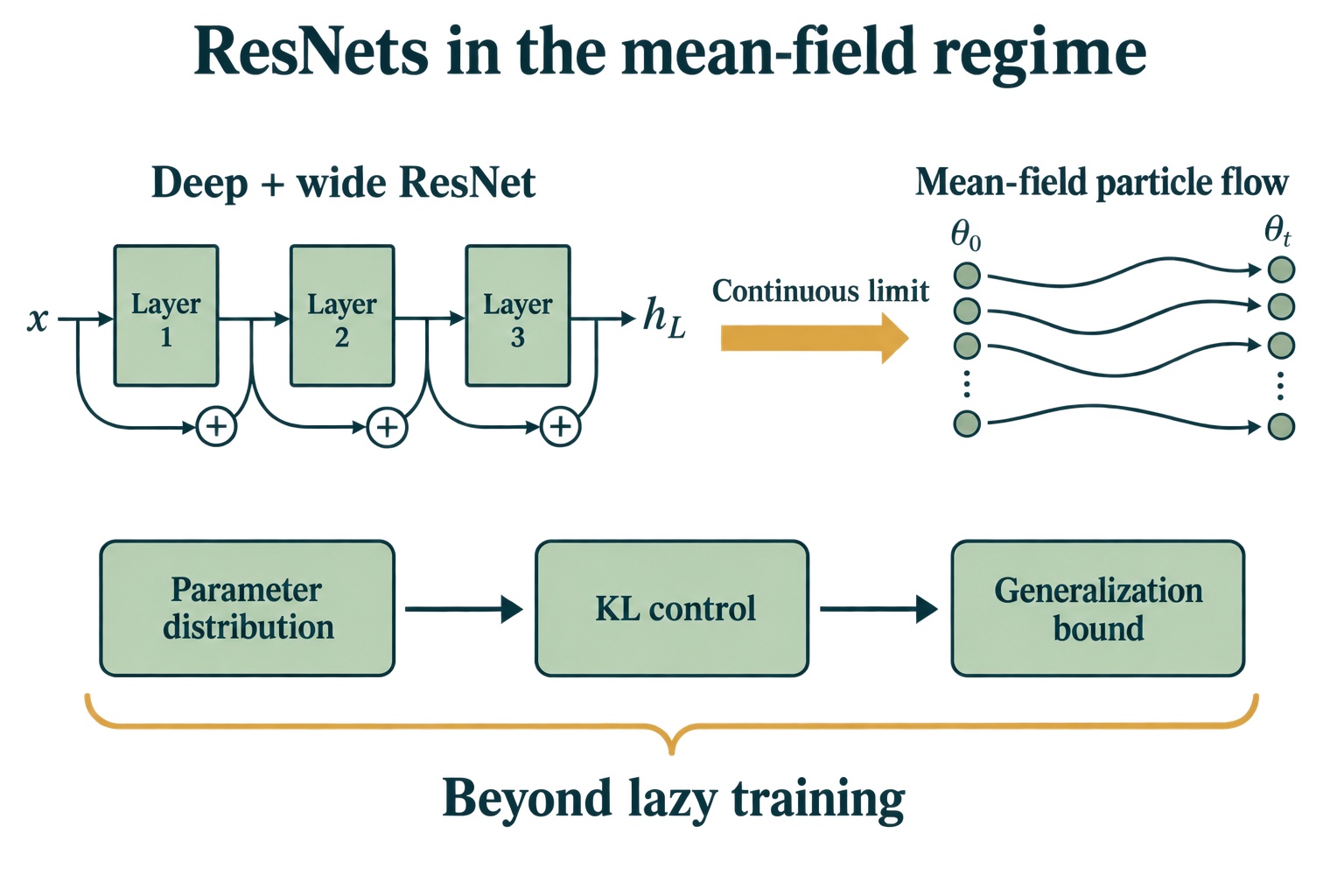
We provide the upper bound of the parameter distribution moving and generalization error on the 0-1 classification task of the infinitely deep and wide ResNets.
Jingtong Su*,
Yihang Chen*
, Tianle Cai*, Tianhao Wu, Ruiqi Gao, Liwei Wang, Jason D. Lee.
34th Annual Conference on Neural Information Processing Systems (
NeurIPS
)
, 2020
[arXiv]
/
[code]
/
[slides]
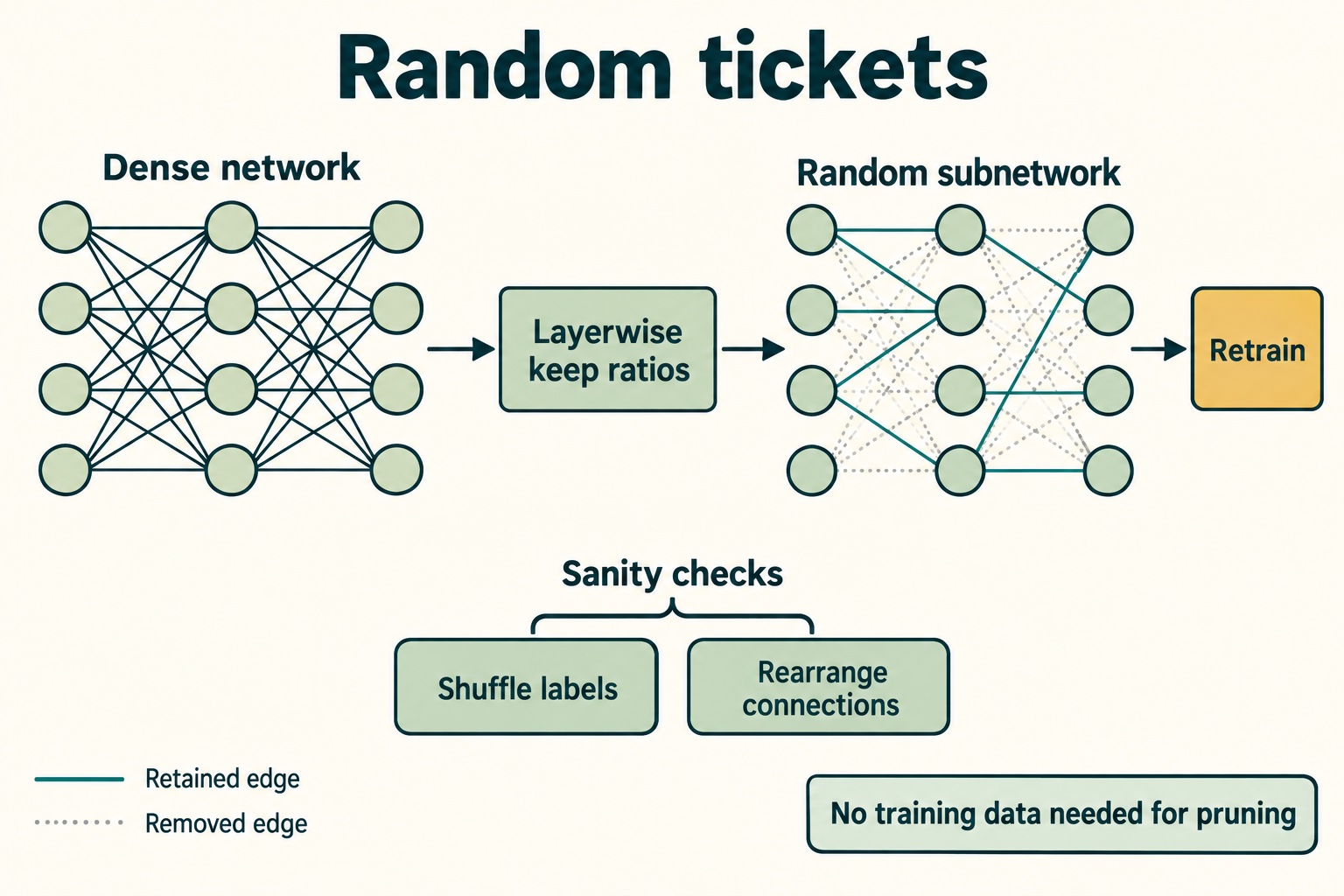
We sanity-check prune-at-init methods, and find them hardly exploits any information from the training data. We propose "zero-shot" pruning, which only relies on simple data-independent pruning ratios for each layer.
Honors and Awards
ICLR 2025 Notable Reviewers, 2025.
NeurIPS 2024 Scholar Award & Top Reviewers, 2024.
Research Scholars MSc Program, EPFL, 2021-2022.
The Elite Undergraduate Training Program of Applied Math, 2019-2021.
Excellent Graduate of Peking University, 2021.
National Scholarship, People's Republic of China (Top 1%), 2020.
Shing Tung Yau Mathematics Awards, Chia Chiao Lin Medals, Bronze, 2020.
Invited Talks
Mila GFlowNet meeting,
Order-Preserving GFlowNets,
2023.10.04.